 A private space for your collective
Organizations that open a private space for their members take a subscription. That revenue pays for free individual use. That is the business model, said plainly.
Free as in free speech
Offinity will cost you the most precious thing you have: your time. Here is how we plan to give it back, with interest.
If you remember only one thing:You are not the product, you are the producer, and Offinity is one of your tools.
“Free as in free speech, not as in free beer” is Richard Stallman's line, and it is about software licences. We claim him as an inspiration: what he asked for knowledge, we ask for work. He wanted knowledge to circulate without anyone having to ask permission; we want people to produce together without having to hand over their autonomy to do it. Same demand, different ground: Offinity Diaries is not free software — it is a free production platform.
Free of charge is the visible part. The other freedom matters more: free of the advertising model, free of attention harvesting, free of an algorithm deciding what you see. And underneath, a third freedom — the one the product is built on: keeping the independence you normally trade away for the right to aim high. That third meaning is why the phrase is on the door.
Offinity is a journal of record for your personal projects, shared with a small circle you choose — the people whose opinion actually matters to you. No feed, no algorithm, no likes, no follower counts, no advertising. Free for individuals.
There are two established ways to work, and each one pays for its strength with a matching weakness.
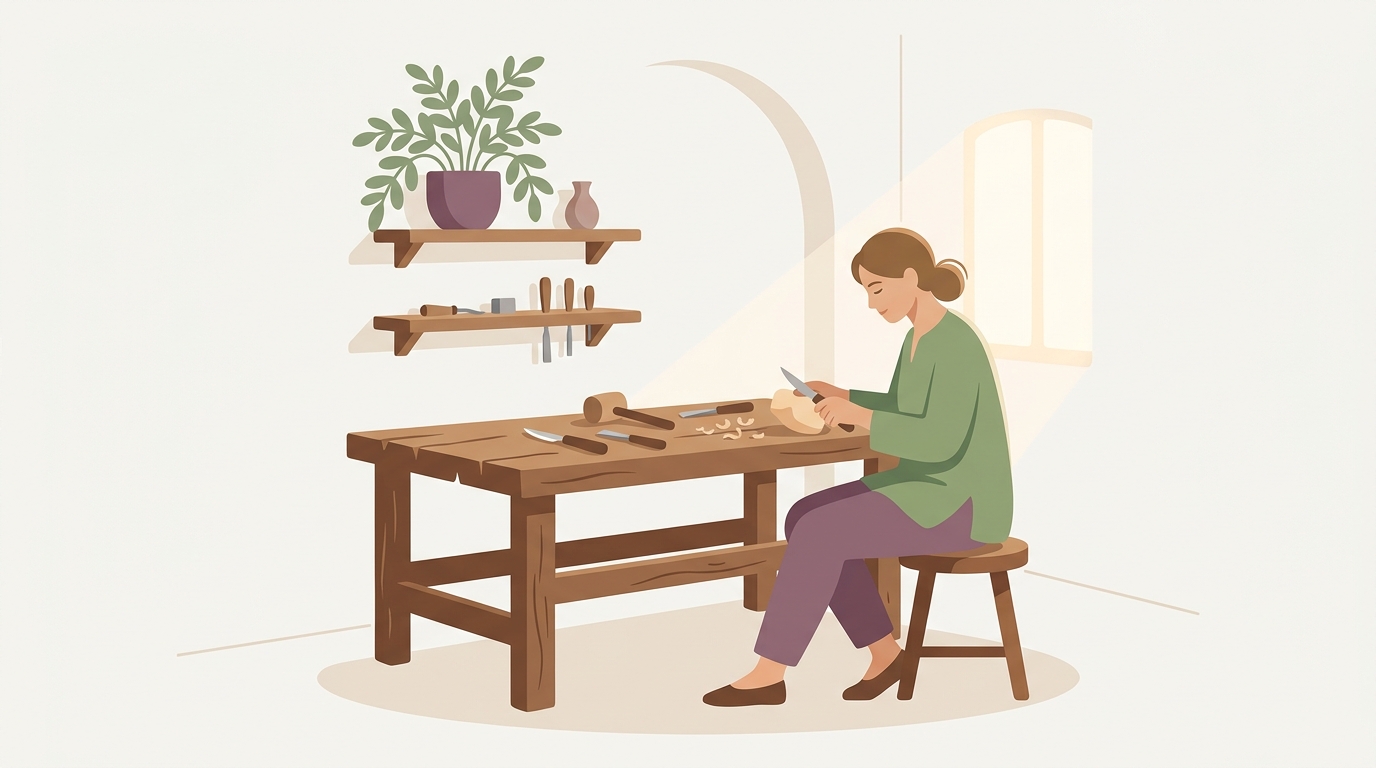
Full individual freedom, ambition capped at what one person can reach.
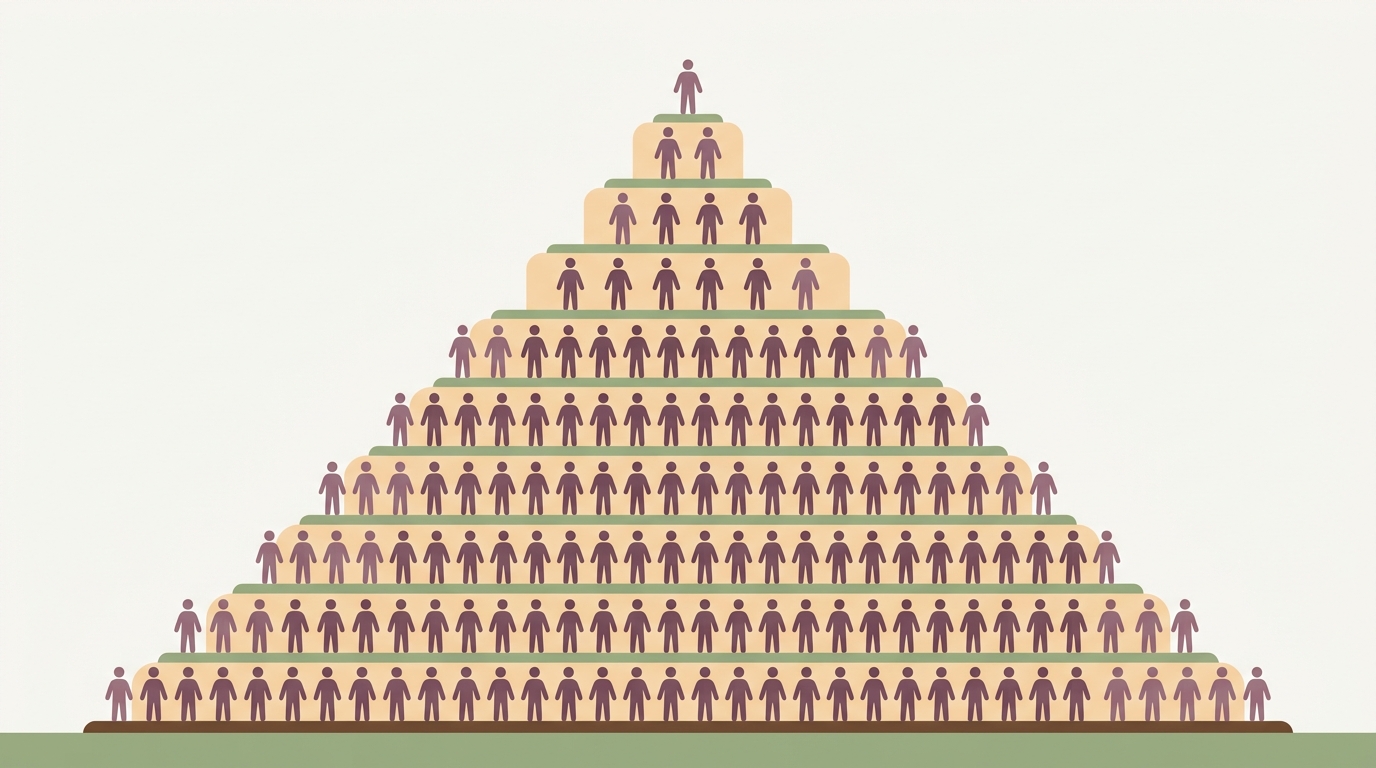
Capable of big things, provided the individual leaves their freedom at the door.
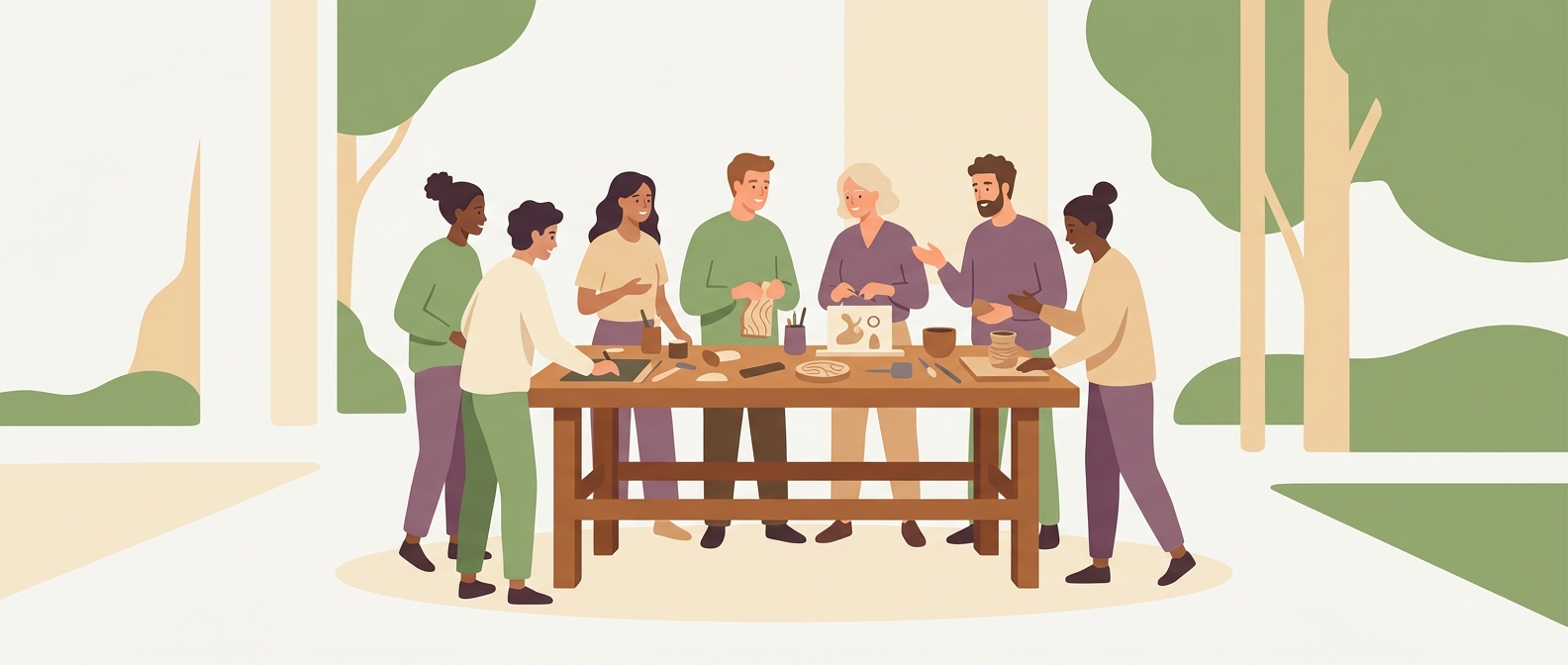
Offinity is a bet on a third way: the ambition of an organization without surrendering the freedom of an independent. Not a company, not a marketplace — a productivity platform where the connections do the work a structure would otherwise have to do.
Taylor published in 1911, Coase in 1937. Two lenses on one question, not a sequence of answers.
The problem — Coase
Every relationship has a cost: searching, negotiating, contracting, coordinating. That friction slows you down.

Two answers ↓
Taylor — remove it
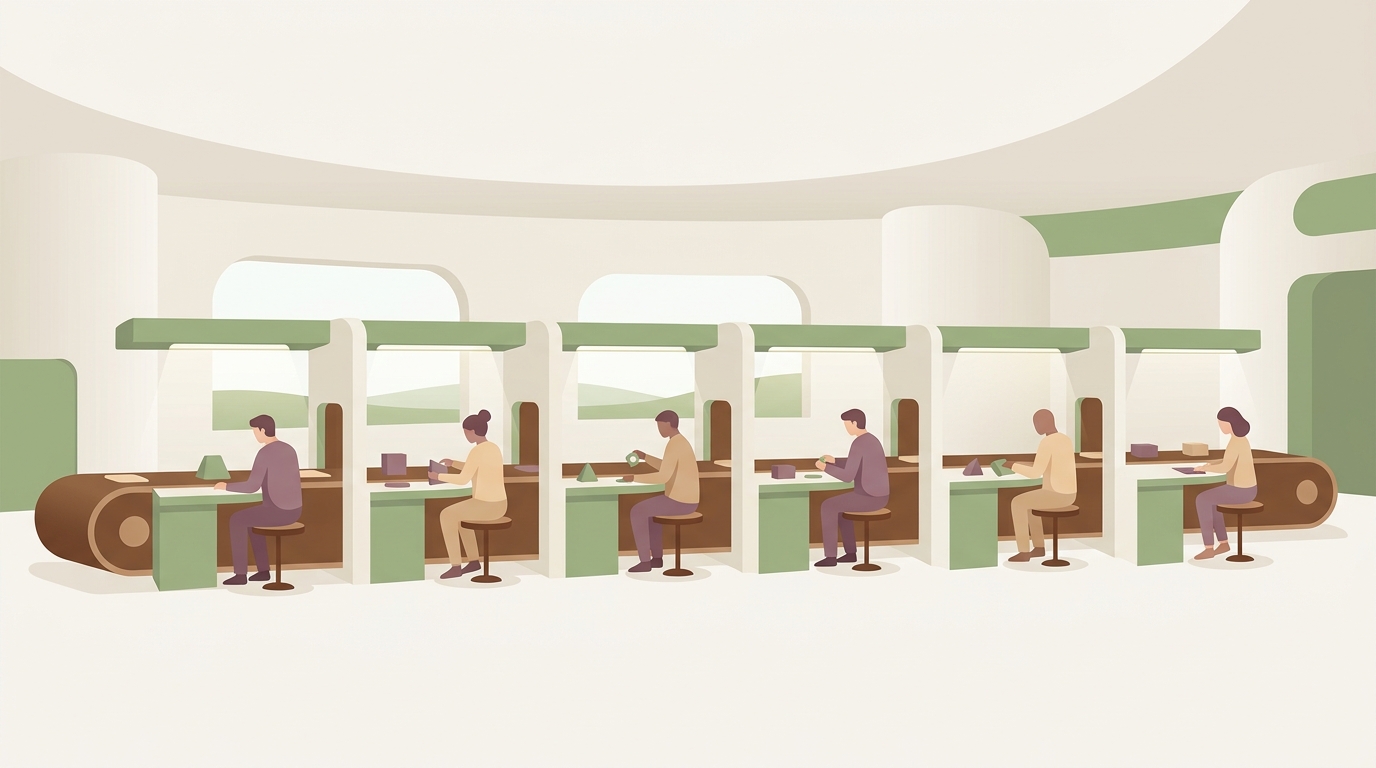
Take the relationship out of the process. What remains is measured, standardised work, planned somewhere other than where it is done.
Friction eliminated. So is the relationship.
Offinity — convert it

Keep the relationship and use it. The circle you chose does the work a structure would otherwise have to do.
Friction converted into propulsion.
Dealing with other people has a cost: searching, negotiating, contracting, coordinating. That friction is exactly what makes the choice between independence and the firm exist at all — the firm exists because coordinating inside it is cheaper than coordinating through the market.
Remove the friction by removing the relationship. Work is decomposed into measured, standardised units, and planning is separated from execution. It is formidably effective, and the price is the human relationship inside the production process.
The opposite route: don't eliminate the relationships, use them. The same ties that drag become the thing that carries you.
A sail does not work by escaping the wind. It converts the wind that would blow you off course into forward motion. The relationships that slow you down are the same ones that can carry you — provided the noise is quiet enough for them to be heard. That is what the absence of feed, strangers and advertising is for.
“Who pays?” assumes a buyer and a seller. At the scale Offinity works at, that lens is too narrow. Around one person there are tribes, project holders, mentors — and the people who build the platform. Several flows move between them, and money is only the last of them.
The first four are where the value is. The last one only has to keep the infrastructure standing. The whole question is where it comes from — and where it will never come from.
A private space for your collectiveOrganizations that open a private space for their members take a subscription. That revenue pays for free individual use. That is the business model, said plainly.
 Gratitude
A person can financially thank someone who influenced them. The payment happens entirely outside the app, through the recipient's own Wero or VietQR code. Offinity takes no commission and never sees the transactions.
 Freely given money for the project
People who find the platform useful and want it to last give what they want, when they want, on our Open Collective. Nothing is asked inside the app, and no amount is suggested. The collective is public: every euro in and out can be read — as an individual, as an organization opening a space, or simply by looking at the books.
 Never monetised: your data
Your journal belongs to you, not to an advertiser. We do not monetise personal data — not because it would pay badly, but because each person's sovereignty over what they write is the condition for everything else to exist. The revenue listed above is not decoration: it is what replaces selling your attention.
It would be easy to write that we capture a fraction of the value created. Read the four points above again: you will not find a meter. There isn't one.
What we built is a bet on reciprocity. If the people using Offinity genuinely create more value than they would alone, a small fraction of it is enough to sustain the platform durably — and we are betting that this fraction comes back on its own, given freely, rather than taken at a toll gate. Organizations pay for the spaces they open. People give if they want to, when they want to.
Offinity is a productivity app: it exists so that everyone creates more value. We are confident that the share we deserve will come back to us.
That's the whole model. It fits on one page, by design.